
Why Football Leadership Teams Are Replacing the “Unicorn” Sporting Director
For much of modern football, clubs pursued a single executive capable of overseeing recruitment, performance, the academy, women’s football, player trading, pathways, and executive alignment. This all-encompassing, or “unicorn,” Sporting Director model concentrated authority in one role and relied heavily on individual capability, relationships, and stamina.
With hindsight, the model was structurally fragile. As football operations expanded in scale and complexity, cognitive load increased, remit creep accelerated, and the breadth of expertise required became unrealistic for any one individual. The outcome was often dilution rather than control: insufficient depth in key functions, reactive decision making, and a Sporting Director stretched across incompatible priorities.
As football has professionalised, the consequences of over-centralisation have become more visible. Decision bottlenecks, blurred accountability, and instability following leadership change are now common failure modes. The growing churn of Sporting Directors across leagues is not coincidence. It is a structural signal.
Research into football operating models by Daunté Crawford shows that clubs with high dependency on a single executive figure exhibit greater volatility and are more likely to undergo repeated strategic resets rather than sustain continuity.
Football Leadership Teams as Structural Evolution
Football leadership teams represent a deliberate shift away from personality-led governance toward system-led design. Authority is not diluted; it is distributed. Responsibility is allocated across senior specialists with defined remits, operating within agreed principles and governance boundaries.
The defining characteristic is functional clarity. Each role owns a domain. Alignment is achieved through structure, not hierarchy.
This approach is now visible across several Premier League clubs, most clearly at Wolves, Everton, and Chelsea, each adapting the model to their own context and ownership realities.
Wolves
Wolves operate a football leadership structure that separates core functions while maintaining strong executive alignment.

Matt Jackson — Director of Player Recruitment and Development
Matt Jackson — Director of Player Recruitment and Development
Joined in 2021 as English football’s first Strategic Player Marketing Manager and progressed into senior football leadership. Jackson oversees recruitment strategy, player development, and alignment across the Academy and Wolves Women, linking pathway planning with long-term player value.
Phil Hayward — Director of Performance
Leads an integrated performance ecosystem across sports science, psychology, medical services, and player wellbeing. After a previous spell at Wolves and a senior role at LA Galaxy, Hayward returned in 2023 and now owns performance delivery across the club.
Matt Wild — Director of Football Operations and Administration
With over eight years at the club, Wild owns football operations, governance, regulatory compliance, and financial efficiency, providing organisational stability and operational discipline.
Max Fitzgerald — PR and Communications Director
Operates a realigned remit covering media relations, internal communications, and cross-club alignment, ensuring consistency between football operations, culture, and external messaging.
Everton
Everton have moved toward a leadership team model that separates technical leadership, recruitment, analytics, and player trading, while positioning football operations close to executive leadership.
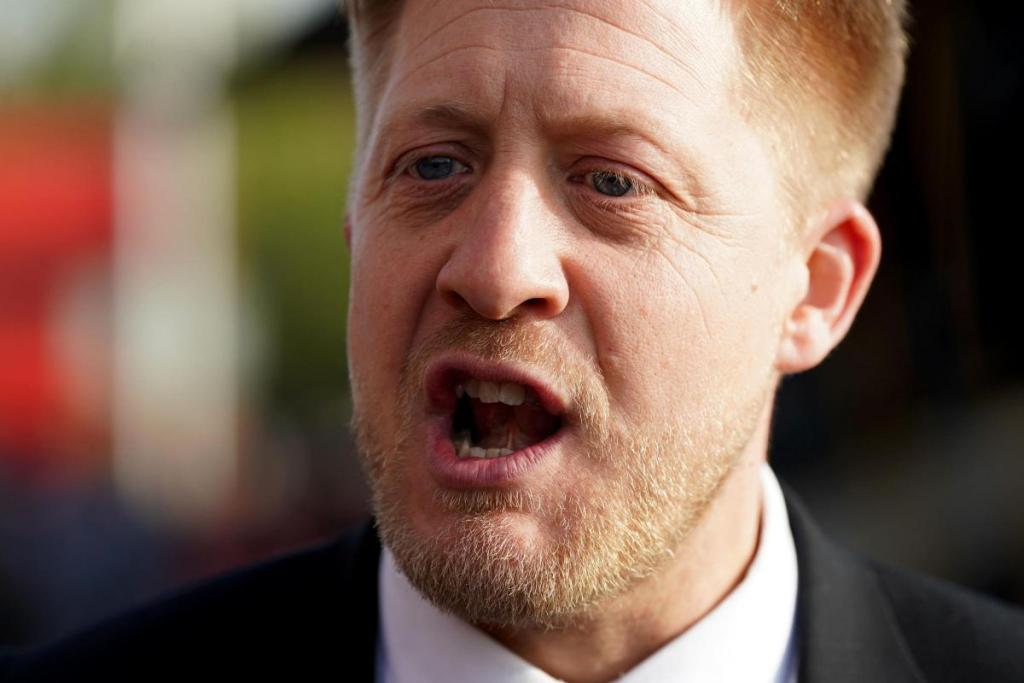
Nick Cox — Technical Director
Nick Cox — Technical Director
Owns the football environment across first team and academy, including performance support, medical services, player care, facilities, and operations. Sets standards and ensures integration across departments and pathways.
James Smith — Director of Scouting and Recruitment
Leads recruitment strategy and player identification, aligning profiling and scouting processes with the club’s football identity and long-term squad planning.
Chris Howarth — Head of Football Strategy and Analytics
Owns analytics and strategic insight, integrating data across recruitment, performance analysis, and squad planning to support decision making.
Nick Hammond — Head of Player Trading
Responsible for transfer negotiations, contract strategy, and asset protection, ensuring value optimisation and disciplined market execution.
Chelsea
Chelsea operate a layered football leadership model built for scale, continuity, and risk management.

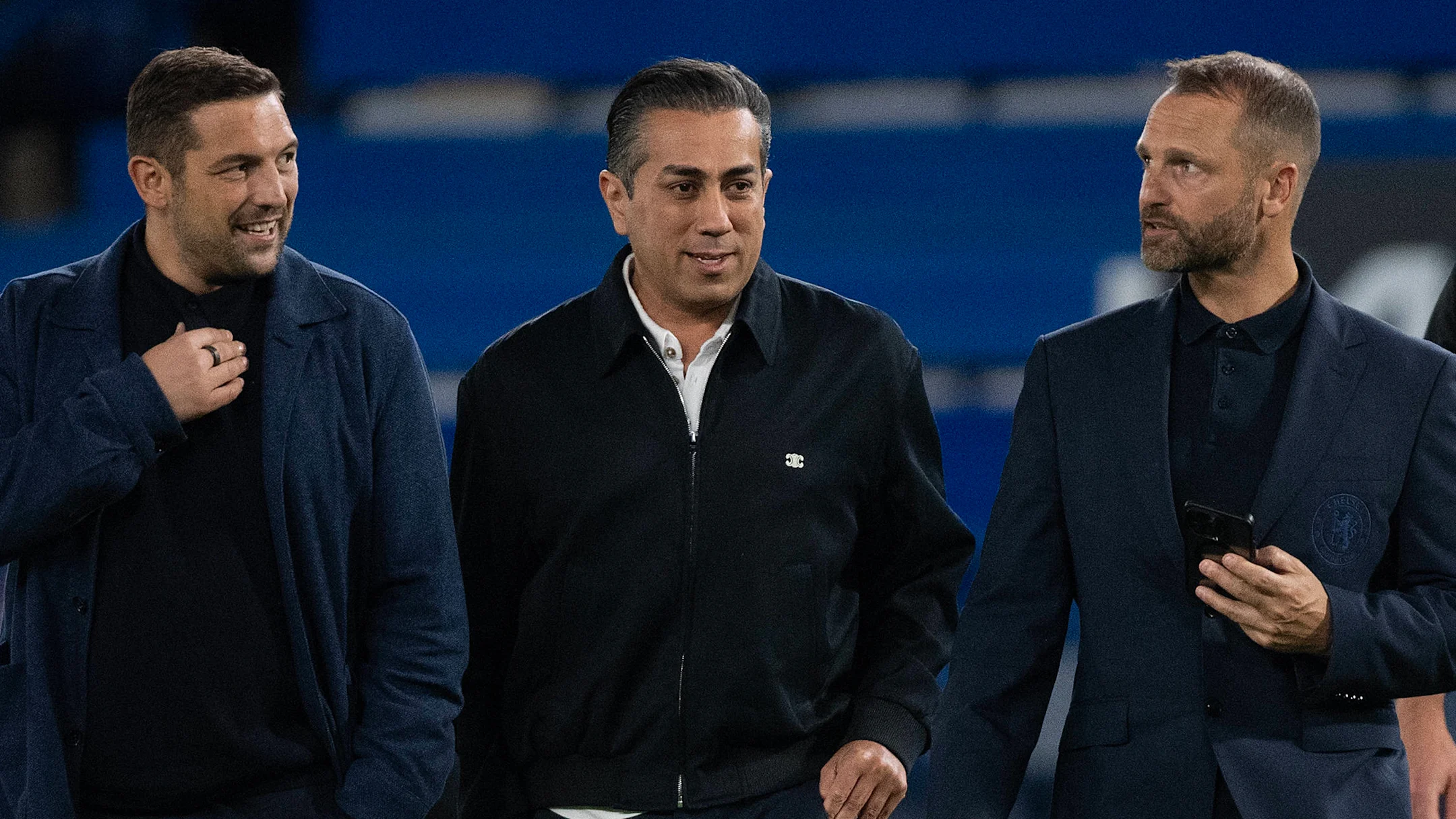
Paul Winstanley & Laurence Stewart — Chelsea
Paul Winstanley — Sporting Director
Holds senior responsibility for football strategy and recruitment alignment, operating as part of a leadership collective rather than as a single authority.
Laurence Stewart — Sporting Director
Works in partnership with Winstanley on recruitment strategy, squad construction, and football operations, providing balance and continuity.
Joe Shields — Director of Recruitment and Talent
Owns recruitment strategy and talent identification, overseeing player profiling, market intelligence, and alignment between senior recruitment and long-term talent planning.
Sam Jewell — Director of Recruitment and Talent
Works alongside Shields with responsibility for recruitment processes, talent pathways, and integration between academy, loans, and first-team recruitment.
Shared Structural Principles
Despite differences in scale and ownership, these clubs exhibit the same underlying design logic:
- Separation of responsibility before separation of job titles
- Recruitment and trading discipline embedded upstream
- Reduced reliance on individual authority
- Clear alignment between football leadership and executive governance
These principles align with Crawford’s research, which identifies leadership cohesion and structural clarity as stronger predictors of organisational stability than individual brilliance.
Scalability Across the Football Pyramid
Football leadership teams are inherently scalable. At lower levels, roles may be combined, fractional, or externally supported. At elite level, they become fully resourced departments. The architecture remains constant.
This makes leadership teams a more sustainable long-term solution than repeated attempts to appoint an all-encompassing Sporting Director. The rise of Assistant Sporting Director roles reflects this segmentation trend, acting as structural reinforcement rather than hierarchy expansion.
Example Operating Models Across the Pyramid
National League to League Two
Part-time to hybrid professional environments require clear ownership of function, even where roles are combined.
- Technical Lead: owns football standards, training methodology, medical provision, and pathway coherence, operating above the coaching cycle.
- Recruitment and Talent Identification Lead: owns profiling and market scanning, filtering players before coaching involvement.
- Performance Analysis and Insight Support: owns basic analysis and recruitment data, often delivered externally.
- Player Contracts and Trading Lead: owns registrations, contracts, and asset protection.
- Football Operations and Governance Lead: owns compliance, scheduling, and regulatory alignment.
Executive leadership must protect football processes from interference. Ownership involvement should be limited to strategic direction and budget approval.
League One to Championship
Fully professional environments require explicit functional separation.
- Technical Director: owns the football environment across first team and academy.
- Sporting Director or Head of Football: owns football strategy, squad planning, and recruitment alignment.
- Head of Recruitment and Talent Identification: owns recruitment strategy and market intelligence.
- Head of Data and Football Insight: owns analytics and decision support.
- Head of Player Trading and Contracts: owns negotiations and asset protection.
- Director of Football Operations: owns governance and operational efficiency.
This model depends on a strongly aligned CEO who sets recruitment principles and risk appetite.
Premier League and Top European Clubs
High-resource environments require deep specialisation and formal integration mechanisms.
- Chief Football Officer or Executive Sporting Lead: owns overall football strategy and ownership alignment.
- Sporting Directors: collectively own first-team squad strategy and recruitment alignment.
- Technical Director: owns football environment and performance standards.
- Director of Recruitment and Talent: owns global scouting and talent pipelines.
- Head of Data, Analytics, and Football Strategy: owns data architecture and predictive insight.
- Head of Player Trading and Contracts: owns negotiations, wage structure, and asset protection.
- Director of Football Operations: owns governance and risk management.
- Communications and Culture Lead: owns internal alignment and behavioural consistency.
Structure alone is insufficient at this level. Integration forums, shared principles, and escalation pathways are mandatory. The model only functions with a CEO who shields football operations from short-term pressure and limits ownership involvement to strategic and capital decisions.
The shift toward football leadership teams reflects a broader evolution in football governance. Clubs are moving away from hero figures and toward systems designed to absorb change without losing direction.
The decline of the all-encompassing Sporting Director is not a failure of individuals but of structure. Modern football no longer rewards concentration of authority; it rewards clarity, separation, and collective leadership. Clubs that endure are those designed to absorb change without resetting their identity, processes, or decision logic. Football leadership teams provide that architecture. They replace dependency with resilience, personality with process, and reaction with continuity. This is not an ideological shift, but an operational one. The competitive edge now lies less in who leads and more in how leadership is structured, protected, and aligned over time.
Discover more from Sentinel Sports Group
Subscribe to get the latest posts sent to your email.
