
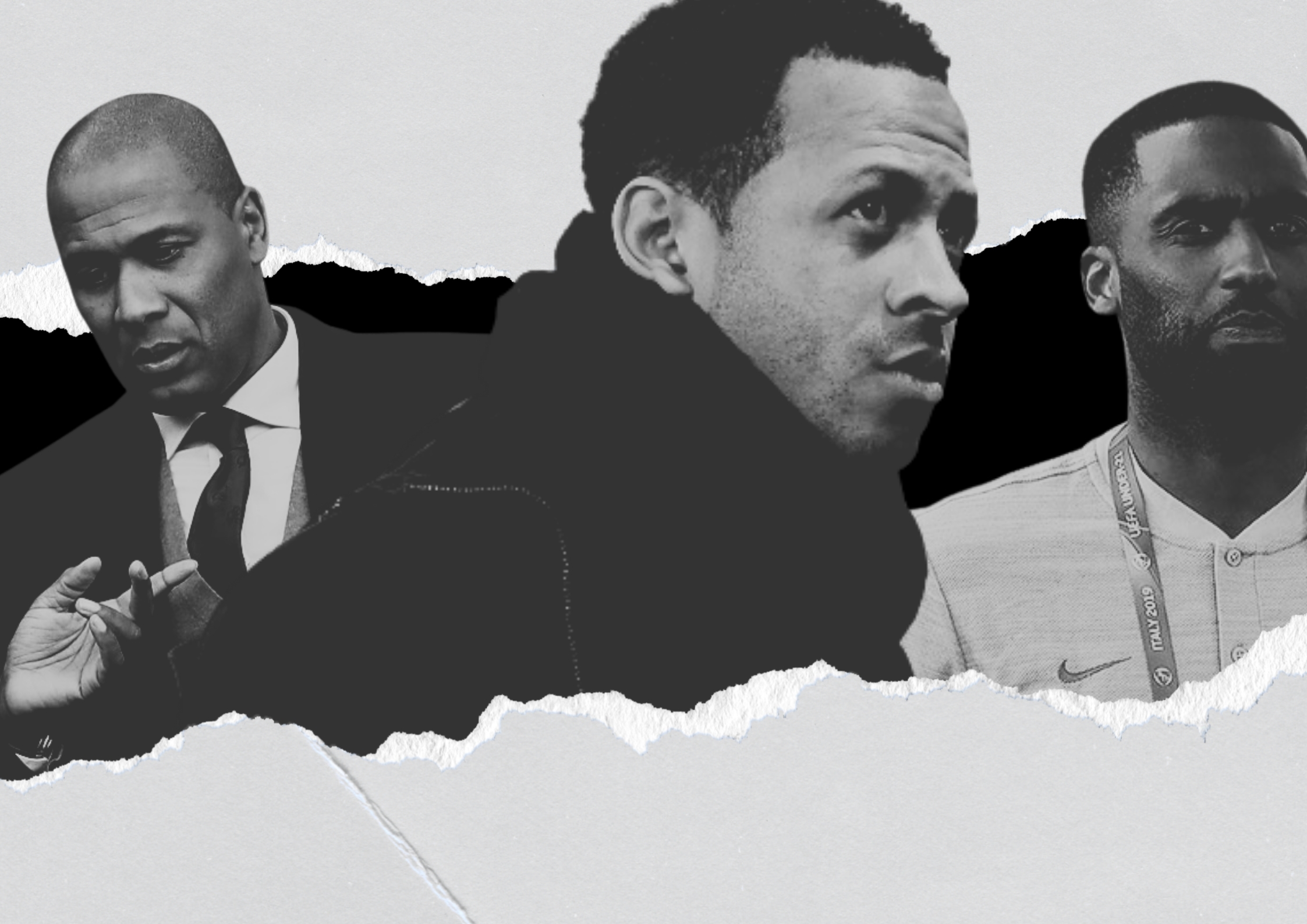
Introduction
Black History Month is not just about looking back. It is about reimagining what progress looks like.
In football, representation on the pitch has evolved faster than almost any other sport. But real progress comes when that same diversity is reflected off the pitch, in leadership, decision making, and strategy.
My own journey into football leadership at the Football Association of Wales came through an equality and inclusion process. It was open, competitive, and fair. That experience reminded me that diversity is not about ticking a box. It is about recognising value and opening the door for talent to be seen, not just discovered. When leadership reflects the communities and players it serves, connection deepens, culture strengthens, and performance improves.
Representation on the pitch and the gap off it
Football has changed on the surface, but the deeper structures are still catching up.
The 2023 Black Footballers Partnership report led by Stefan Szymanski revealed that while Black players make up a large share of professionals in the Premier League and EFL, only around four percent of managerial and senior technical roles are held by Black people.
The FA’s first mandatory workforce diversity survey in 2025 showed that 78 percent of Premier League club workforces are white compared with an average of 66 percent in their local communities. Only 13 percent of coaching staff were from ethnically diverse backgrounds, and just two top flight clubs had Black, Asian, or minority ethnic coaches in senior roles.
At governance level, a joint Sport England and UK Sport study found that ethnic minority representation on UK sport boards increased from 7.9 percent to 15.1 percent between 2022 and 2024, but that still falls well short of reflecting society.
These numbers show what many already feel. Football is multicultural on the pitch, but it is not yet multicultural in its leadership. The problem is not only about equality; it is about lost potential. Without representation, the sport misses insight, perspective, and connection.
Diversity as connection, culture, and competitive advantage
When football leadership reflects the social and cultural backgrounds of its players and communities, it unlocks something that cannot be replicated by data or tactics alone. It builds trust, empathy, and belief.
Liam Rosenior, now head coach at RC Strasbourg in Ligue 1, explained it perfectly in his interview with The Athletic:
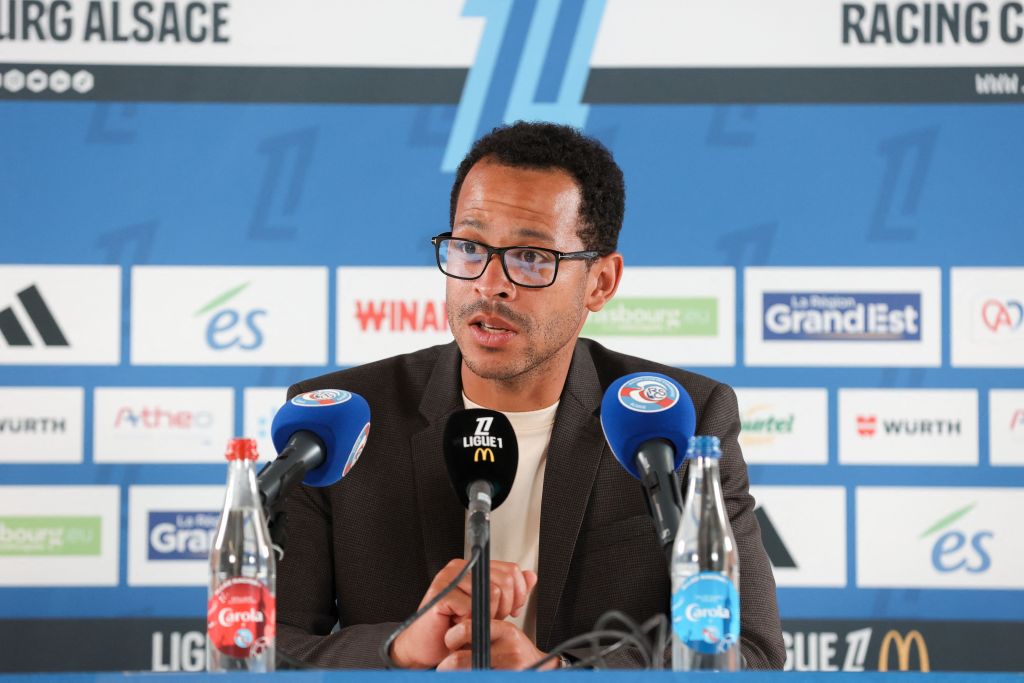
“If you have multicultural staff, you improve your players so much quicker. You have reference points — people who understand and connect with them. Otherwise, you have blind spots. Diversity isn’t about numbers; it’s about value.”
That quote captures the essence of modern leadership. When players feel understood, they perform better. When coaches and executives reflect the culture of their teams, communication improves. Football is about connection, and diversity strengthens those connections.
During my studies in Sporting Directorship, one of the most consistent themes I found was that culture defines success. Facilities and budgets can only take you so far. What separates good from great are the human factors — empathy, communication, and understanding.
The soft skills win.
Leaders redefining what progress looks like
Across the game, we are beginning to see leaders who represent this shift, individuals who lead with authenticity, connection, and vision.
Kolo Touré has become an integral part of Manchester City’s first team coaching staff, bringing the perspective and humility of a player who has competed at the highest level and understands the emotional side of elite performance.
Liam Rosenior is showing in France what calm, values driven management can look like, leading the youngest team in Europe’s top five leagues while maintaining high standards of empathy and discipline.
Justin Cochrane at Tottenham Hotspur has risen through the player development pathway to the senior coaching level, proving that technical excellence and cultural intelligence go hand in hand.
Eniola Aluko continues to influence football’s executive and media spaces, having served as Sporting Director and now acting as a bridge between elite sport, governance, and investment.
Iffy Onuora, as Head of Equality, Diversity and Inclusion at the Premier League, works to institutionalise progress by influencing hiring frameworks and cultural education.
And there are many others across governance, operations, and analytics roles who are changing what leadership in football looks like — often quietly but meaningfully.
As he recently noted, “decision-making at the highest levels shapes the opportunities beneath it.” His point underscores that diversity in football governance is not symbolic — it is structural. When boards are diverse, clubs make better, more sustainable decisions that reflect the communities they represent.

“If someone was interested in a role like mine and was from a background like mine, they would be forgiven for thinking, ‘that role is not for me’”.
These leaders were not given opportunities for symbolic reasons. They earned them. But their presence matters because it sends a message. Representation creates belief, and belief drives ambition.
Structures that support or limit change
The Football Leadership Diversity Code, launched by the FA in 2020, aimed to increase diversity across technical and leadership positions. By 2023, Premier League clubs exceeded their hiring targets, with half of all senior leadership new hires coming from Black, Asian, or mixed heritage backgrounds.
Yet, as the 2025 workforce data showed, the overall balance of representation has not shifted enough. Hiring is only one step. Retention, promotion, and trust are what embed long term change.
Academic research continues to show that non Black former players are significantly more likely to transition into management roles than Black players, even with similar qualifications. Those who do make it are more likely to face shorter tenures and fewer second opportunities.
Football must now focus not only on creating pathways, but on keeping those pathways open. Mentorship, sponsorship, and succession planning will determine whether diversity remains visible in leadership, or fades after one generation.
Why this matters for performance and leadership
The best leaders are those who can connect. They understand the players beyond the data points. They recognise that identity, family, faith, and culture all play a role in performance.
When a leadership team mirrors its playing group, something powerful happens. Communication is faster. Misunderstandings are reduced. The environment feels safer, and players are more willing to take responsibility.
In the modern game, where marginal gains matter, this connection can be the difference between a good culture and a great one. Diverse leadership is not charity; it is strategy. It gives football a human edge in an increasingly technical world.
When we talk about diversity, we are not talking about numbers. We are talking about nuance. The ability to interpret a player’s silence, to recognise a cultural gesture, to know when empathy matters more than instruction. Those are the moments that turn leadership into legacy.
What football needs next
For this progress to become lasting, football must prioritise three key principles:
Access – Coaching, executive, and strategic development must be open and visible to people from all backgrounds.
Visibility – Leaders who represent diverse communities must be seen. Representation inspires belief, and belief builds continuity.
Accountability – Transparency in data must be followed by action. Reporting is useful only when it leads to change, reflection, and commitment from the top.
These principles are not political. They are practical. They ensure football remains the most global, human, and connected sport in the world.
Conclusion
Representation on the pitch has transformed football, but representation off it will define its future. The modern game is built on diversity, in playing styles, in ideas, and in people, yet the full power of that diversity is realised only when it exists both on and off the pitch.
Seeing people from different backgrounds in leadership roles matters. It shows what is possible. But we do not want a world where people are valued by the colour of their skin. What matters is the value they bring, the perspective, the empathy, and the understanding that comes from shared experience.
We are all the same at our core, regardless of the small differences that make us unique. Yet at a time when extreme views and division have begun to surface again, football has a responsibility to lead differently. The game should be a mirror of unity, not separation.
If we have multicultural staff within our teams, I believe we can improve players faster, not only through better communication but through shared values, social awareness, and cultural understanding. Players respond to those who truly understand their world. That connection can become football’s secret weapon.
We need more coaches, executives, and leaders from diverse backgrounds, not to tick boxes but to enhance leadership through diversity. It is not just a moral case, it is a performance one. Diverse perspectives make better decisions, create stronger cultures, and drive more adaptable teams.
Diversity is football’s secret sauce. It is what allows leadership to connect, to understand, and to inspire. In my own research and work, I have found that many of the subtle nuances that make organisations successful come from these cultural and human connections. The soft skills continue to win.
So as we celebrate Black History Month, the message is simple. Football’s strength lies in its people. On the pitch and off it, representation matters. But it must be built on substance, empathy, and shared purpose. Because when we understand each other better, we all play the game better.
Discover more from Sentinel Sports Group
Subscribe to get the latest posts sent to your email.
